
Mastering Mixed-Use Lighting Design: Strategies for Architects and Urban Planners

Mixed-use developments combine retail, offices, hospitality, and residential spaces within a single site. This blend creates vibrant urban environments but also presents unique challenges for lighting design. Each use has distinct lighting needs and peak activity times, making it difficult to create a cohesive lighting scheme that supports functionality, safety, and aesthetics across the entire development.
This post explores practical strategies for mixed-use lighting design that balance the diverse requirements of different zones while establishing a unified night-time identity. It offers guidance for architects, urban designers, developers, and lighting consultants aiming to deliver architectural lighting solutions that enhance the urban fabric and user experience.

Creating a Coherent Night-Time Identity Across the Whole Site
A mixed-use development often feels like several projects stitched together. Lighting can unify these elements into a single, recognizable identity after dark. The goal is to create a visual harmony that reflects the character of the development while respecting the function of each area.
Develop a lighting concept that ties all zones together. Use consistent color temperatures and lighting styles to avoid visual clashes. For example, a warm white LED palette (2700K–3000K) can create a welcoming atmosphere across retail, hospitality, and residential areas.
Layer lighting to add depth. Combine façade lighting, landscape illumination, and internal glow from windows to create a dynamic but balanced composition.
Use architectural lighting to highlight key features. Accent materials, textures, and structural elements that define the development’s identity.
Consider the overall brightness level. Avoid excessive glare or light pollution that can disrupt residents or nearby neighborhoods.
A well-planned lighting masterplan ensures the development reads as a single entity, improving wayfinding and enhancing the urban skyline.
Differentiating Façades for Retail, Office, and Residential
Each building type within a mixed-use development has different lighting needs and user expectations. Tailoring façade lighting helps communicate the function of each space while maintaining overall cohesion.
Retail façades benefit from dynamic, eye-catching lighting that attracts visitors. Use brighter illumination, color accents, or programmable fixtures to highlight signage and window displays.
Office buildings require more restrained lighting focused on architectural form and energy efficiency. Uniform illumination with subtle accents on entrances and logos supports a professional image.
Residential façades prioritize comfort and privacy. Use softer, indirect lighting that reduces light spill into windows. Warm tones and low-intensity fixtures create a calm environment for residents.
By differentiating façades thoughtfully, designers can support the identity of each use while contributing to the overall architectural lighting scheme.
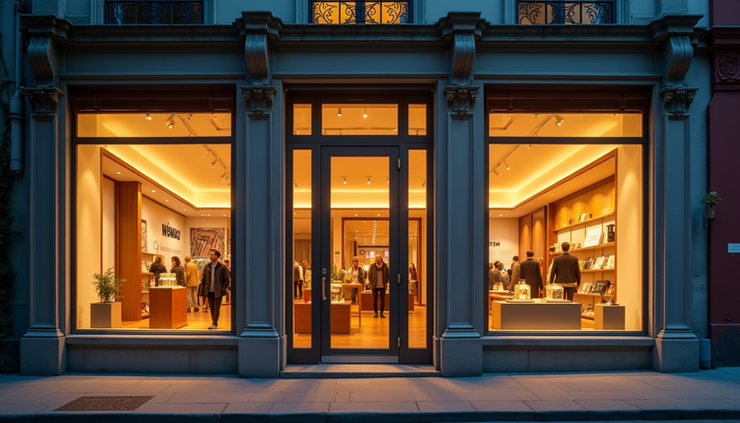
Public Realm and Landscape Lighting
Public spaces such as plazas, pathways, and parking areas are vital components of mixed-use developments. Effective lighting here supports safety, accessibility, and social interaction while enhancing the site’s aesthetic appeal.
Use layered lighting in plazas and open spaces. Combine ambient lighting with focused accents on seating, art installations, and water features.
Pathways require uniform, glare-free illumination. Select fixtures that provide consistent light levels to guide pedestrians safely.
Parking areas need functional lighting with good color rendering. LED floodlights or bollards with cut-off optics reduce light spill and improve visibility.
Integrate lighting with landscape design. Uplighting trees, shrubs, and architectural elements adds texture and depth to the public realm.
Balancing functionality with design elevates the experience of outdoor spaces and encourages use throughout the evening.
Wayfinding and Safety
Clear wayfinding and safety lighting are essential in mixed-use developments where users navigate between different zones, especially after dark.
Illuminate entries, drop-off points, and transit stops clearly. Use bright, focused lighting to mark these areas without overwhelming adjacent spaces.
Signage lighting should be legible and consistent. Backlit or halo-lit signs improve visibility and reinforce branding.
Use lighting to define circulation routes. Step lights, bollards, and linear LED strips guide pedestrians intuitively.
Incorporate safety lighting in secluded or less trafficked areas. Motion sensors and dimmable fixtures can provide security without wasting energy.
Effective wayfinding lighting reduces confusion and enhances the sense of security for residents, workers, and visitors.

Controls and Scenes for Weekdays, Weekends, and Events
Lighting needs vary depending on the day of the week and special events. Flexible control systems allow mixed-use developments to adapt lighting scenes for different scenarios.
Program lighting scenes for weekday business hours, evenings, and weekends. For example, office façades can dim after hours while retail and hospitality areas remain brighter.
Use sensors and timers to adjust lighting automatically. This reduces energy consumption and extends fixture life.
Create special event modes. Dynamic color changes or increased brightness can highlight celebrations or promotions without permanent installation changes.
Integrate controls with building management systems. This centralizes operation and monitoring for efficiency.
Smart lighting controls help balance energy use with user experience, making the development more sustainable and responsive.
Summary
Designing lighting for modern mixed-use developments requires balancing diverse needs while creating a unified night-time presence. A coherent lighting identity, tailored façade treatments, well-lit public spaces, clear wayfinding, and flexible controls all contribute to a successful outcome. Early collaboration with specialist lighting manufacturers ensures the right products and strategies are integrated from the start.
Coordinating lighting design early in the project helps avoid costly changes and delivers a development that shines both functionally and aesthetically.


Comments